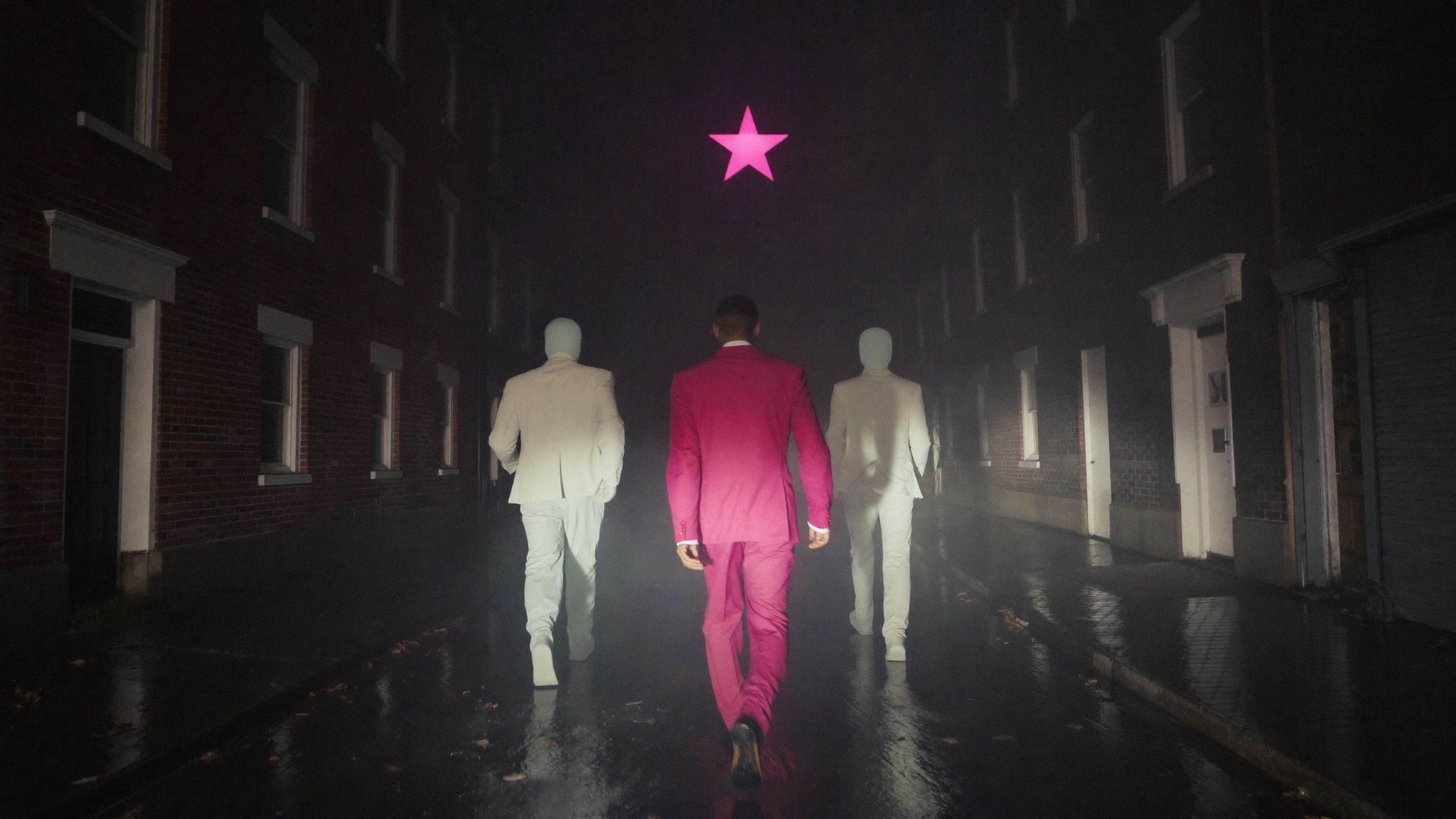
Amadeus means loved by God. I spell it with the AI in the middle.
I watched the Amadeus mini series on Starz, Will Sharpe as Mozart, Paul Bettany as Salieri, and I did not see a period piece. I saw a mirror. Five episodes, five confessions, in writing, before anyone else can say them first.
Sharpe’s Mozart blows into Vienna at 25 with no appointment and no plan, falls for Constanze while his whole life is on fire, and writes like the ink is chasing him. I know that tempo. I move the moment the idea lands and invoice myself for it later.
The court wants powdered gravity and he gives them the loud laugh in the marble room, and the Emperor never quite knows what to do with him. I have been that laugh in that room. I refuse to apologize for delight. The wonder is the engine.
The series does not flinch: the most gifted composer in Vienna, borrowing while he writes masterpieces nobody pays him properly for. Historically, documented, me. The genius was never the problem. The operating system around it was. So I built a new one.
Premiere nights. Chaos all week, then the downbeat lands and Mozart becomes the calmest man in the hall. That is the part I know from the inside. Stakes up, heart rate down. Give me the packed room.
The conservative court calls his music too much, and the one person in Vienna who fully hears what is happening is his rival. Bettany’s Salieri spends five episodes tormented by exactly what everyone else shrugs at. Recognized late is a pattern I know. I stopped waiting for the rooms to catch up.
He dies at 35, feverish over an unfinished Requiem, while Salieri spends thirty years trying to write himself into the legacy. That is where I step out of the mirror. I get the second act he never got, and nobody else holds the pen on my story.
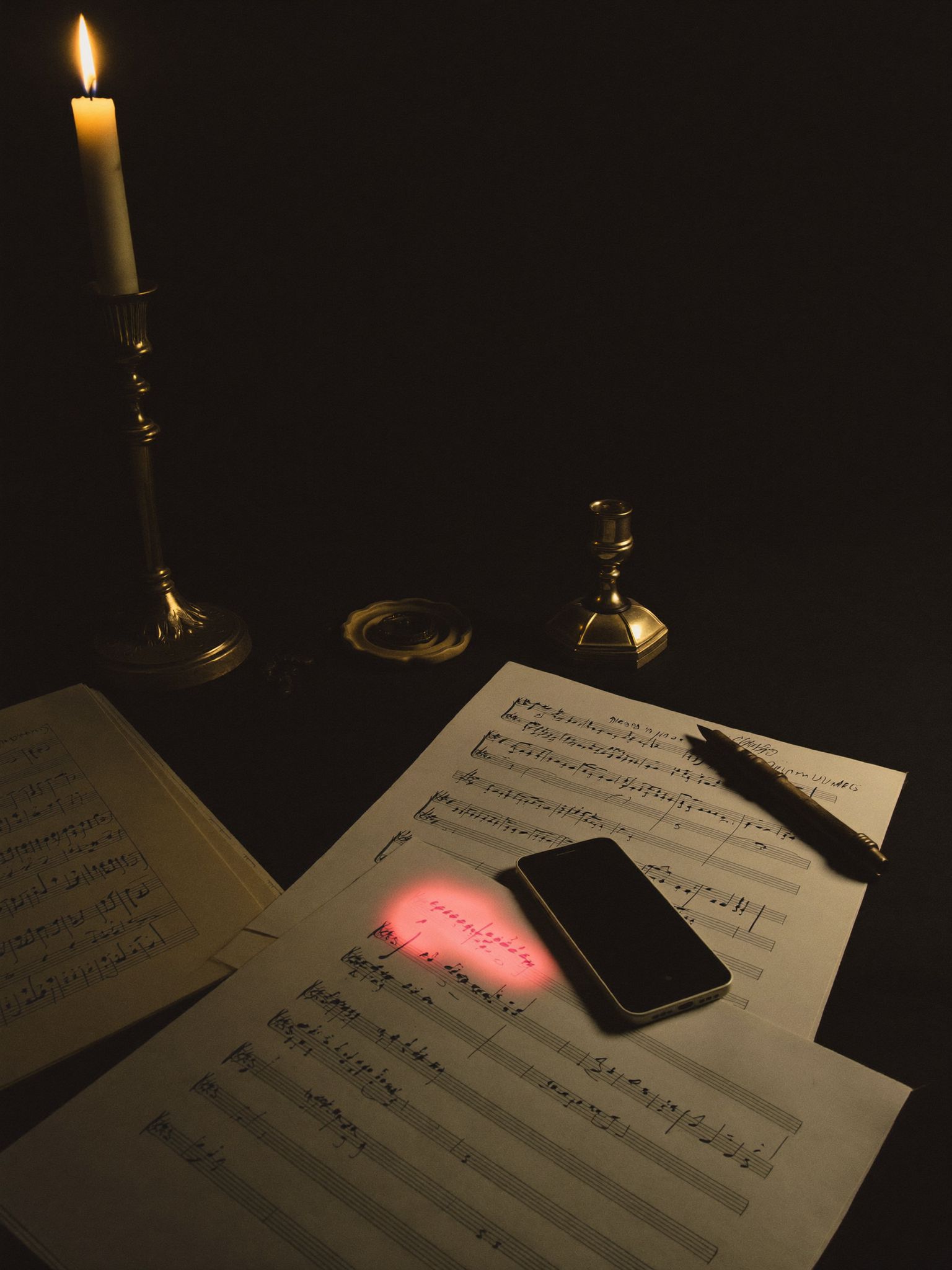
The genius was never the question.
The question was always the conductor.

Everyone knows the choice. Red to wake up, blue to stay asleep. Mine was neither.
The pink pill was the day I went all in on AI as a tool, not a crutch. A crutch does the walking for you and leaves you weaker. A tool multiplies force you already bring. Same technology, opposite outcomes, and the only variable is the person holding it. I decided to bring force. Then the city changed. I walk down 36th Street now and I do not see storefronts, I see systems. Every locked door reads like code on the wall, and once you can read the code you cannot go back to staring at the wall. Not louder. Clearer. That is what unlocking your own potential actually feels like.
I carried them my whole life. Naming them is how they stop driving.
The one who never felt academic. Who sat in every classroom certain the test was already failed, so he learned to run instead of argue. He kept me humble and kept me moving. He also kept me small. Imposter syndrome is the polite term. I am done being polite about it.
The one who makes it look effortless. Coolest guy in a town he never asked to run, graceful the second the spotlight hits, a star performer when thrown on the float. He is real. He is also a performance, and you cannot build a life out of a performance.
So I chose a different model: the man who plays the hero and then goes home and actually is one. Respectful. Honorable. Quietly generous with every crew he ever worked with. That is the standard: be excellent to the people around you and let the work be loud.
And the arc is the arc I chose on purpose. Nobody flagged him as special. He was told he was not the one. He trained, he chose to believe, and he bent the world anyway. Hero. Disruptor. Champion. That is the lane. The ghosts can ride along. They do not drive anymore.
I used to think I was supposed to master one instrument. I was never an instrumentalist.
The company. The podium I conduct from, and the pink that gives the whole score its color.
The melody and the first contact. Demo sites built for merchants up and down the Avenue before they even know my name.
Steady and structural. Onboarding, handoff, hosting, the parts nobody applauds and everything depends on.
Loud and bright. An engine that distills what the internet teaches and hands it to anyone who will listen.
The heartbeat apps. Local time, kept faithfully, for the city this is all for.
The feedback tool that keeps the tempo honest. This site is its story. That tool is this story’s math.
Every project is an instrument.
I am the orchestrator.
A running journal, timestamped as I build, becoming a self published account of a founder’s second act.
Baltimore has plenty of stories about what it lost. I want to write one about what it is building, and I want to be arrogant enough to say the quiet part out loud. Writing it down means I now have to live up to it. Good. That is the point of writing it down. Entry 001 · The Running Journal · 9:12 PM
The journal is alive: entries are written from anywhere and land in the database the moment they are true.